
Families should not have to become experts in every system to get help for a child.
Many good programs, professionals, and community organizations already help children and families. But finding the right help can still involve several phone calls, referrals, eligibility rules, appointments, and organizations.
A caregiver may not know whom to call next, why progress stopped, whether a referral was accepted, or who is responsible for following up.
FAF is being developed to help when the family is still searching, waiting, repeating its story, or trying to connect services that do not naturally fit together.
FAF does not replace existing services. FAF helps make the path between them clearer when a family still does not have an answer.
A family’s need does not always fit inside one organization.
A family may work with several good programs, each with its own mission and rules. The problem is not that those programs do nothing. The problem is that the family’s need does not fit neatly inside any one of them.
Several Organizations Involved
A family may be working with multiple programs, providers, schools, agencies, or community organizations at the same time.
No One Owns the Whole Situation
Each organization may handle its own part, but no one may be responsible for the family’s overall need.
Eligibility or Waitlists
A service may exist, but eligibility rules, waitlists, staffing, or funding may prevent the family from using it.
Forms, Documents, or Approvals
Paperwork, deadlines, authorizations, or procedural requirements may delay or block progress.
Transportation, Scheduling, or Distance
Transportation, distance, scheduling, technology, or work obligations may keep a person from using an available service.
Lost During a Handoff
Important information, responsibility, or follow-up may become unclear as the family moves between organizations.
A Referral Did Not Reach the Service
A referral was made, but the family may not have reached the service or had the original need addressed.
The Family Should Not Coordinate Alone
When no single organization can see the whole situation, the caregiver should not be left to connect every piece alone.
FAF begins by recognizing the work already being done.
West Virginia already has dedicated schools, healthcare providers, behavioral-health professionals, public agencies, community organizations, navigators, case managers, family-support programs, and specialized services helping people every day.
Many of these organizations provide meaningful navigation, coordination, direct service, multidisciplinary support, follow-through, and measurable outcomes within their missions.
FAF is not being built to dismiss that work or claim that no one is helping. The proposed pilot will test a narrower question: whether important outcomes sometimes remain unresolved at the boundaries among capable programs—and whether FAF makes a meaningful difference there.
Use competent existing systems first.
If an existing organization is already resolving a family's most important need, FAF should support that pathway rather than duplicate it.


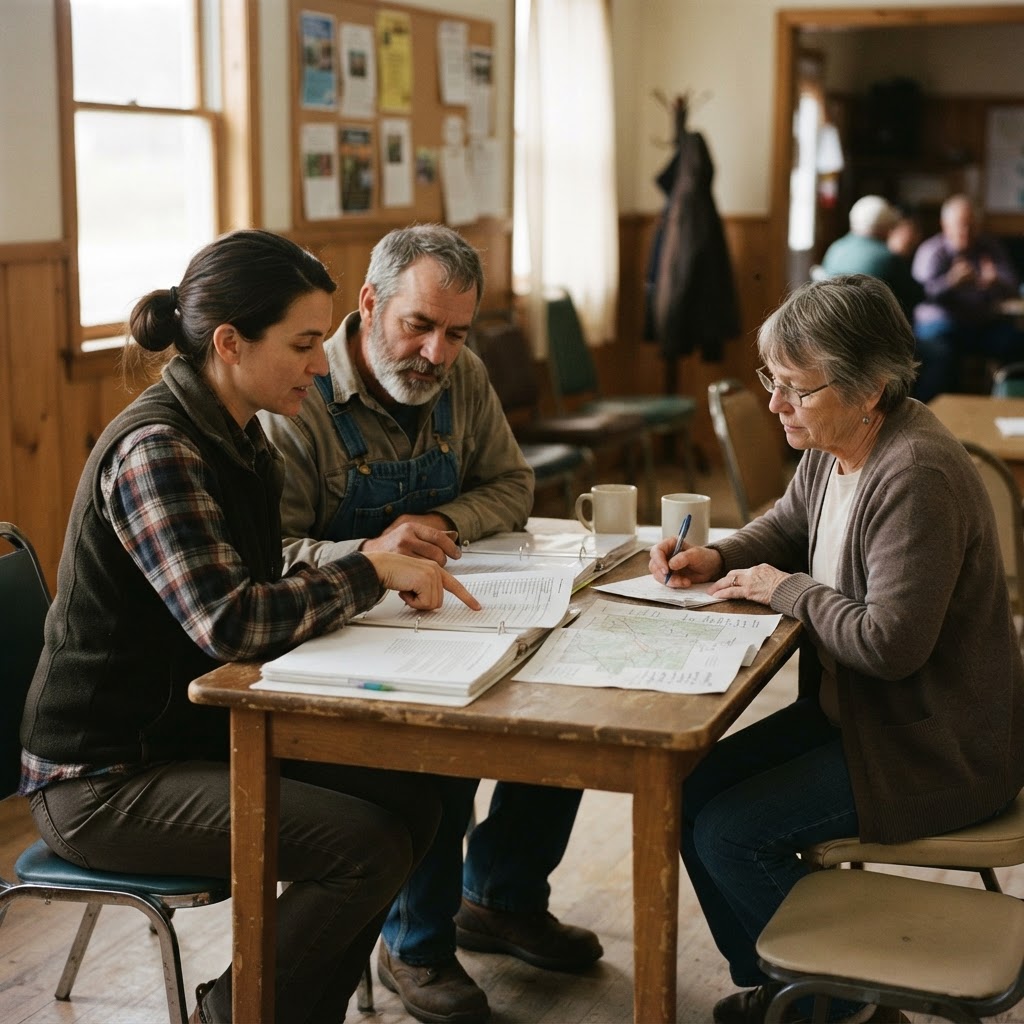
Independent enough to ask difficult questions. Collaborative enough to work with others.
Fair Access Foundation is being built as an independent, family-centered organization capable of working across systems without presuming in advance that every case contains a system failure.
FAF is intended to work respectfully with families, schools, providers, public agencies, community organizations, funders, and civic leaders while remaining willing to document both where existing pathways succeed and where important outcomes remain unresolved.
Independent
FAF should be able to examine what occurred without being limited to one organization’s perspective—and without starting from a predetermined conclusion.
Family-Centered
People and families should help define their priorities, understand available options, take part in decisions, and know what remains unresolved.
Evidence-Disciplined
FAF should distinguish activity from access, access from resolution, and an observed improvement from what actually happened.
FAF is being designed for the unresolved space between established responsibilities.
FAF does not assume that a gap exists in every case. Its proposed role is to identify who is already involved and responsible, determine what remains unresolved, support appropriate next steps when responsibilities cross boundaries, and verify what actually happened.
Map Who Is Already Involved
Identify the programs, professionals, services, and organizations already involved and clarify what each is responsible for.
Clarify the Unresolved Barrier
Determine what need remains unresolved and whether the barrier involves information, eligibility, capacity, transportation, paperwork, communication, scheduling, responsibility, or another barrier.
Support Appropriate Action
Help coordinate appropriate next steps or follow-up while respecting professional authority, family choice, legal boundaries, and existing responsibilities.
Verify and Learn
Document whether access occurred, whether the most important need was addressed, what remained unresolved, whether FAF made a meaningful difference, and what recurring patterns may need attention.
One county. One testable question. Evidence before expansion.
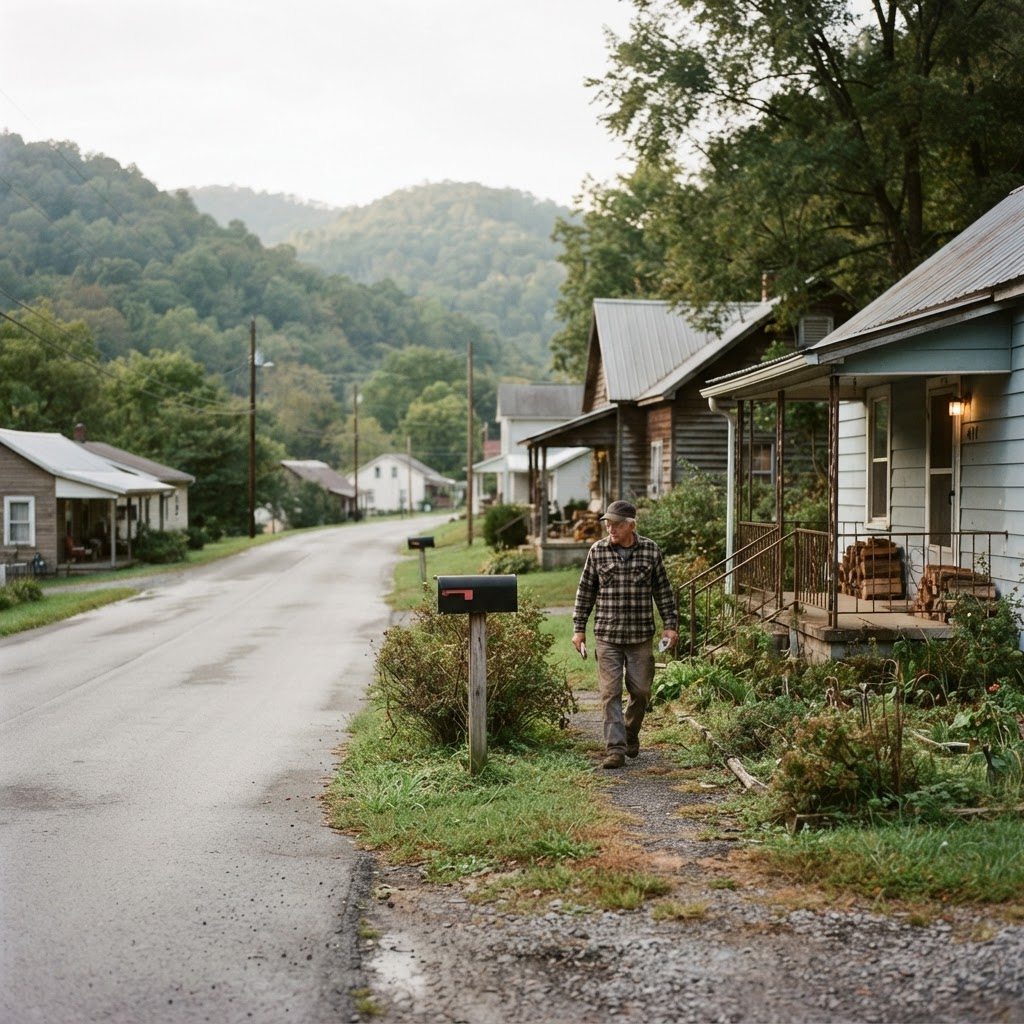
FAF is preparing to begin in Randolph County, West Virginia.
A focused county pilot can help FAF understand existing programs, local relationships, rural geography, transportation, service access, administrative barriers, and complex needs in practical detail before drawing broader conclusions.
Current planning assumes approximately 100 families or complex cases during Year 1, subject to approved funding, staffing, operational readiness, appropriate safeguards, and final program design.
Start With Existing Systems
Learn how current pathways work, where they succeed, and who is already involved and responsible before proposing something new.
Find Out Whether FAF Made a Meaningful Difference
Determine whether FAF makes a meaningful difference beyond what existing organizations would otherwise provide.
Document When FAF Was Not Needed
When an existing pathway resolves the family’s most important need, record that honestly rather than claiming FAF created the outcome.
Expand Only if Evidence Supports It
Use pilot findings, funding, governance, safeguards, operating quality, demonstrated need, and external review to determine what comes next.
Let the pilot answer the question.
The purpose of the Randolph County pilot is not to prove in advance that FAF is the answer.
It is to test whether an independent layer of consistent follow-through makes a meaningful difference when important needs cross existing systems and remain unresolved.
When an existing organization resolves the family’s most important need, FAF should document that the existing pathway worked—even if FAF made no meaningful difference.
When the ordinary pathway does not produce access or resolution, FAF should document where it stalled, why, what appropriate action followed, and what ultimately occurred.
The evidence should determine whether the model continues, changes, expands, or is reconsidered.
We do not assume we know the answer. We intend to measure it.
See How We Help